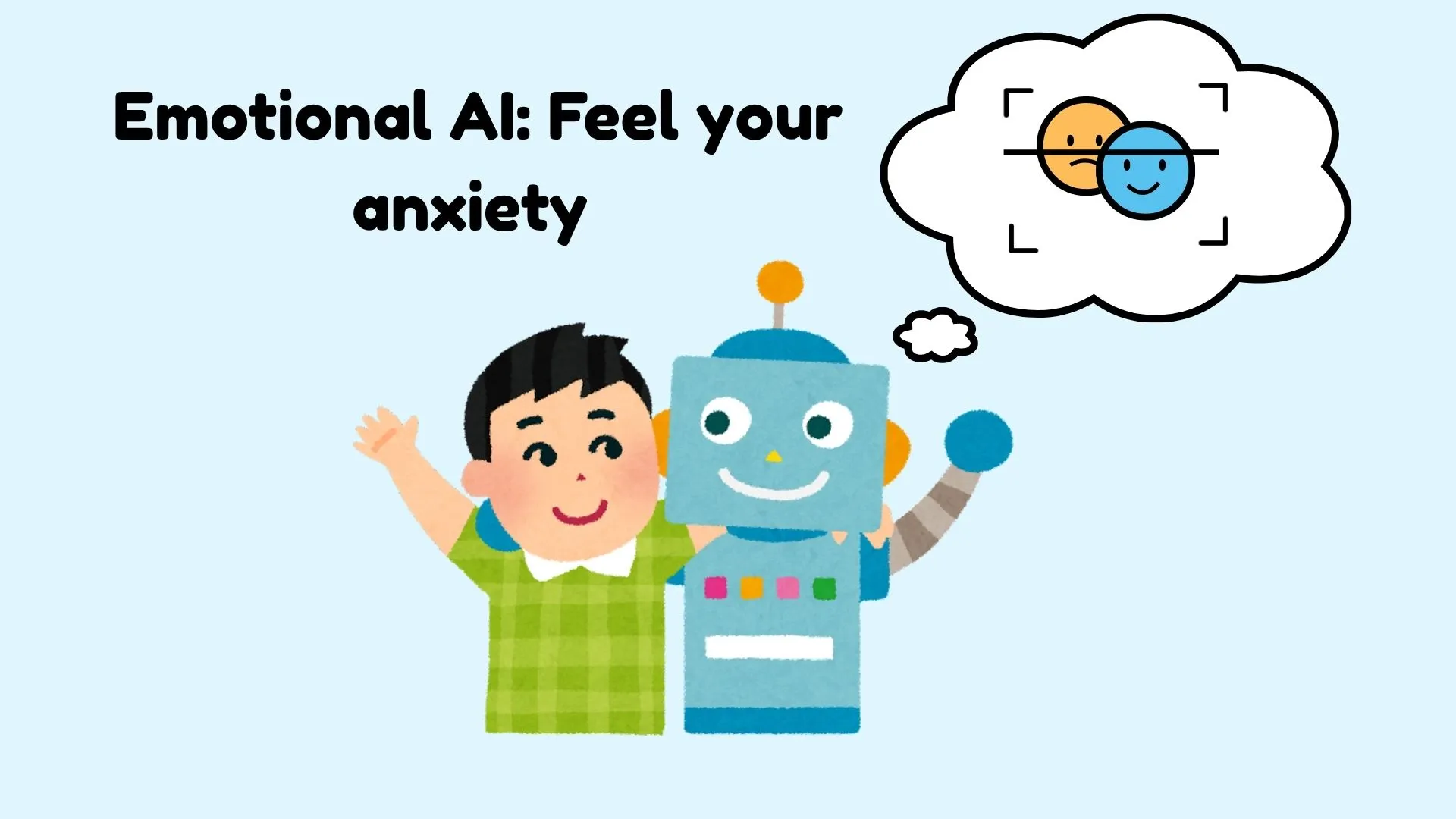
A few years ago, AI felt like something out of science fiction. We had seen robots in movies, read headlines about “machines replacing humans” and shrug it off as something far away. However, AI is no longer a distant concept. It’s in your phone, your browser, your workplace tools, and even in the apps you use to relax after work.
But here’s the big question: what does that mean for our jobs? If AI is able to do job for us, will they replace us?
AI Is Already in Your Workflow
If you’ve used Google Docs and seen smart suggestions pop up, or if your inbox neatly sorted spam from important emails, that’s AI at work. These tools quietly save you time, help you focus, and reduce stress from repetitive tasks.
Imagine going back to writing every single email without auto-suggest or checking thousands of spam emails every morning. AI’s biggest win so far isn’t flashy robots. It’s small, invisible improvements to daily work.
Is AI Going to Replace Us?
"Human create AI, AI replace human?"
Many people afraid of this topic. Although some jobs will change, AI still won't replace human. Roles that involve routine, predictable tasks like basic data entry, are already being automated. But history shows us something important: every major technology shift created new jobs too.
Think back to the Industrial Revolution—machines replaced hand-weaving, but new roles in design, logistics, and maintenance were born. With the internet, jobs like “social media manager” and “app developer” didn’t even exist 25 years ago.AI is following the same pattern. Instead of eliminating humans, it’s reshaping the way we work. The keyword here is adaptability.
Humans + AI = A Stronger Team
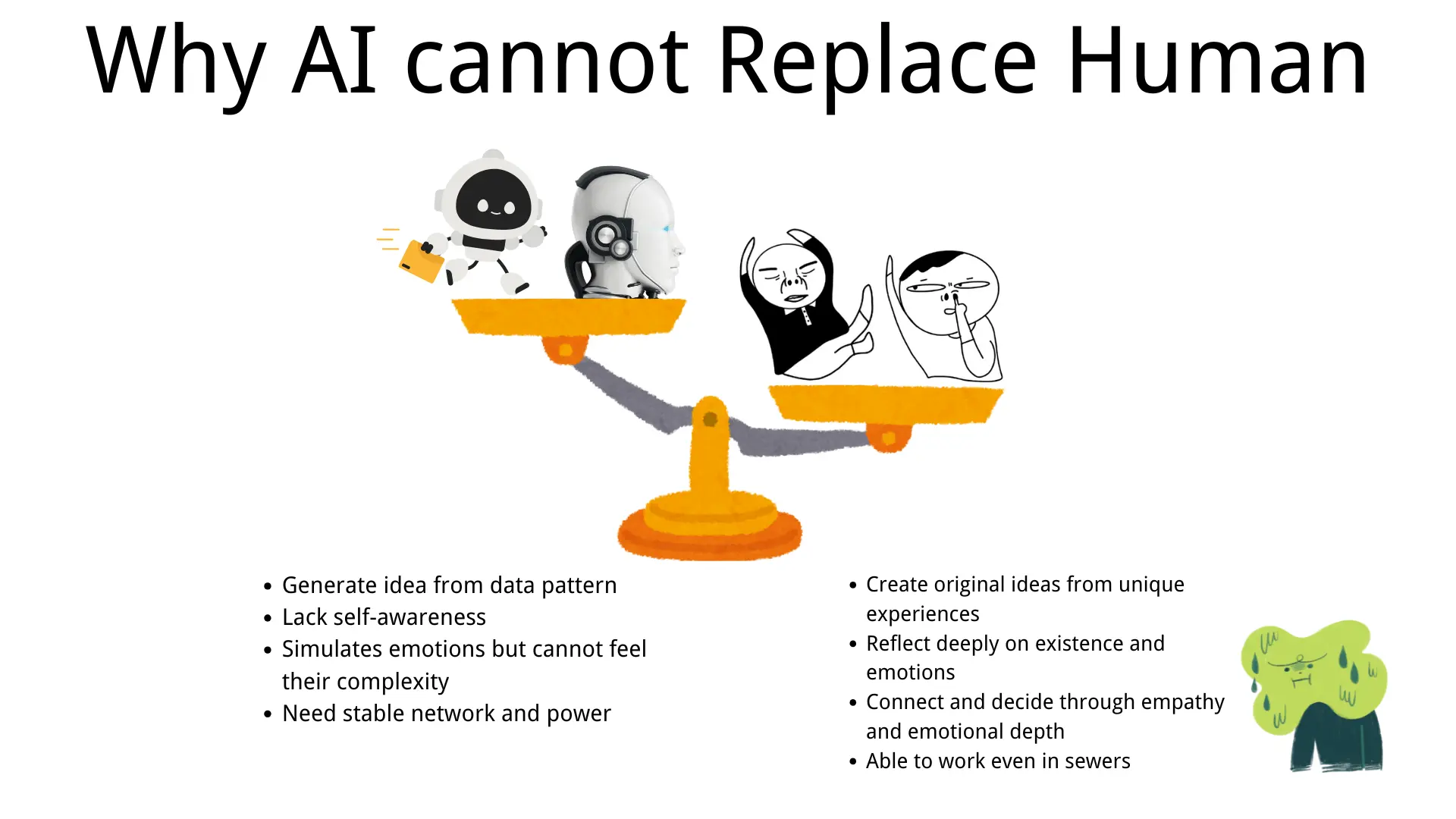
What AI can’t replace is human creativity, empathy, and judgment. Sure, AI can generate 10,000 product descriptions in minutes, but only a human knows how to tell a story that resonates with customers, or when to bend the rules to delight a client.
In medicine, AI helps scan X-rays faster but it doesn’t sit with a patient to explain the diagnosis compassionately. In customer service, chatbots answer FAQs but it’s the human agent who saves the day when something unusual happens.
The winning formula is humans and AI working together.
Skills That Will Matter Most in the AI Era
If you want to “future-proof” your career, here are the skills that stand out:
- Critical Thinking – knowing when to trust AI’s answer and when to question it.
- Creativity – generating ideas, designing, storytelling.
- Emotional Intelligence – something no algorithm can replicate authentically.
- Tech Literacy – you don’t need to be a coder, but understanding how AI works will give you an edge.
The good news? These are all skills that anyone can learn and strengthen over time.
What Work Might Look Like in 10 Years
Instead of being buried under spreadsheets, you’ll spend your mornings reviewing insights that AI already processed overnight. Instead of sitting in endless meetings, AI could summarize discussions and highlight action items instantly.
Your role won’t be to do all the work. It’ll be to guide, decide, and create. That doesn’t sound like the end of jobs. That sounds like the beginning of more meaningful work.

Final Thoughts
AI is not here to replace us. It’s here to push us toward work that only humans can do best: thinking, connecting, and creating. The question isn’t “Will AI take my job?” but rather “How can I use AI to make my job better?”
The future of work isn’t man or machine. It’s man with machine.