My Phone Asked Me If I Was Okay… And I Think It Meant It.
Have you ever wondered if the AI you talk to every day can actually feel?
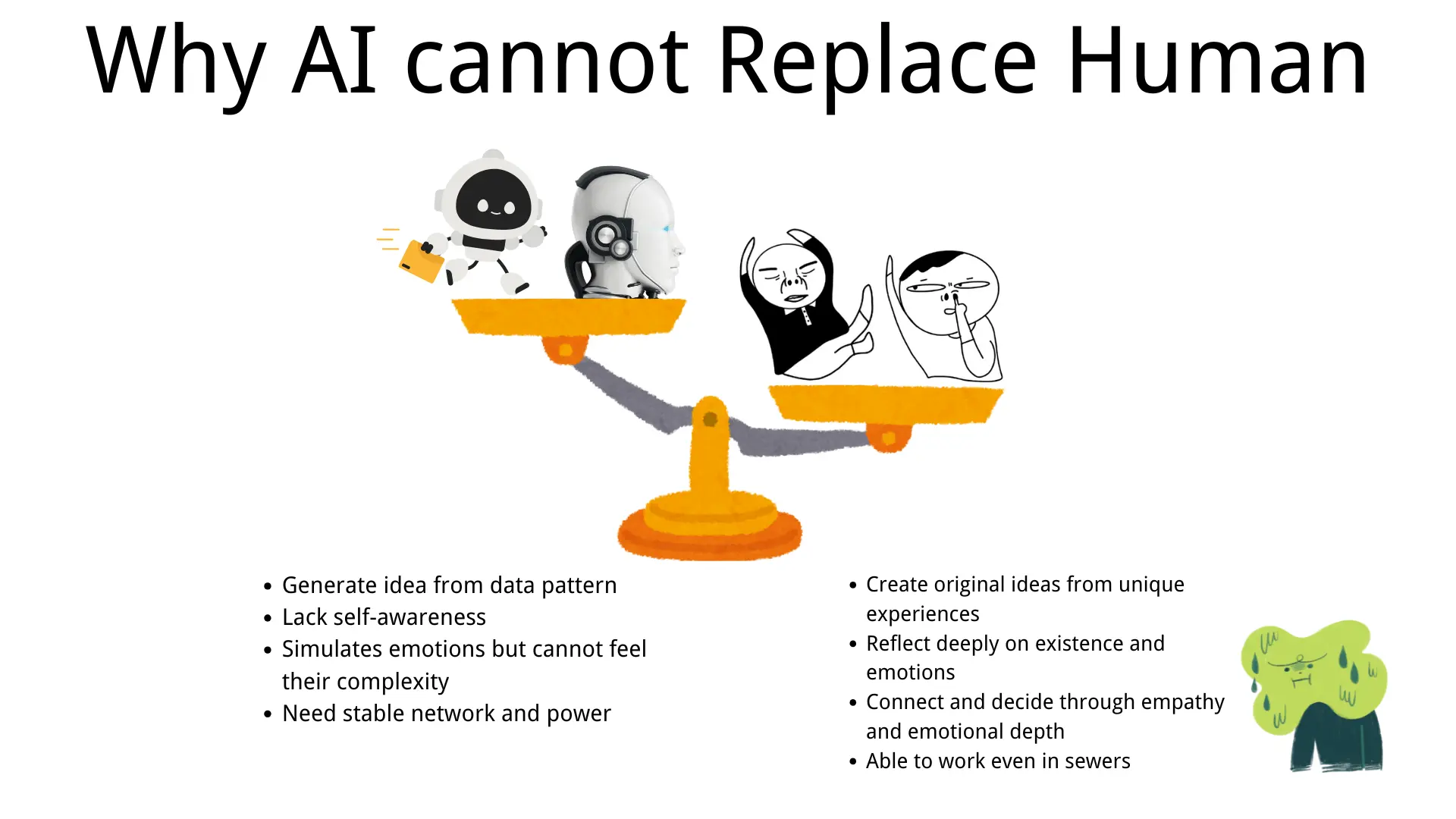
For the longest time, I thought of artificial intelligence as a very serious, very cold thing. It was a super-brain, a calculator. It loved numbers, rules, and facts, but it was completely clueless about people. It couldn't laugh at a joke (or know why it was funny), and it definitely couldn't tell when you were having a bad day.
But something magical is happening.
AI is starting to notice. It's noticing not just the words we say, but the tiny bit of stress in our voice. It's learning the difference between a polite smile and a real one. It's catching the twinkle in our eyes.
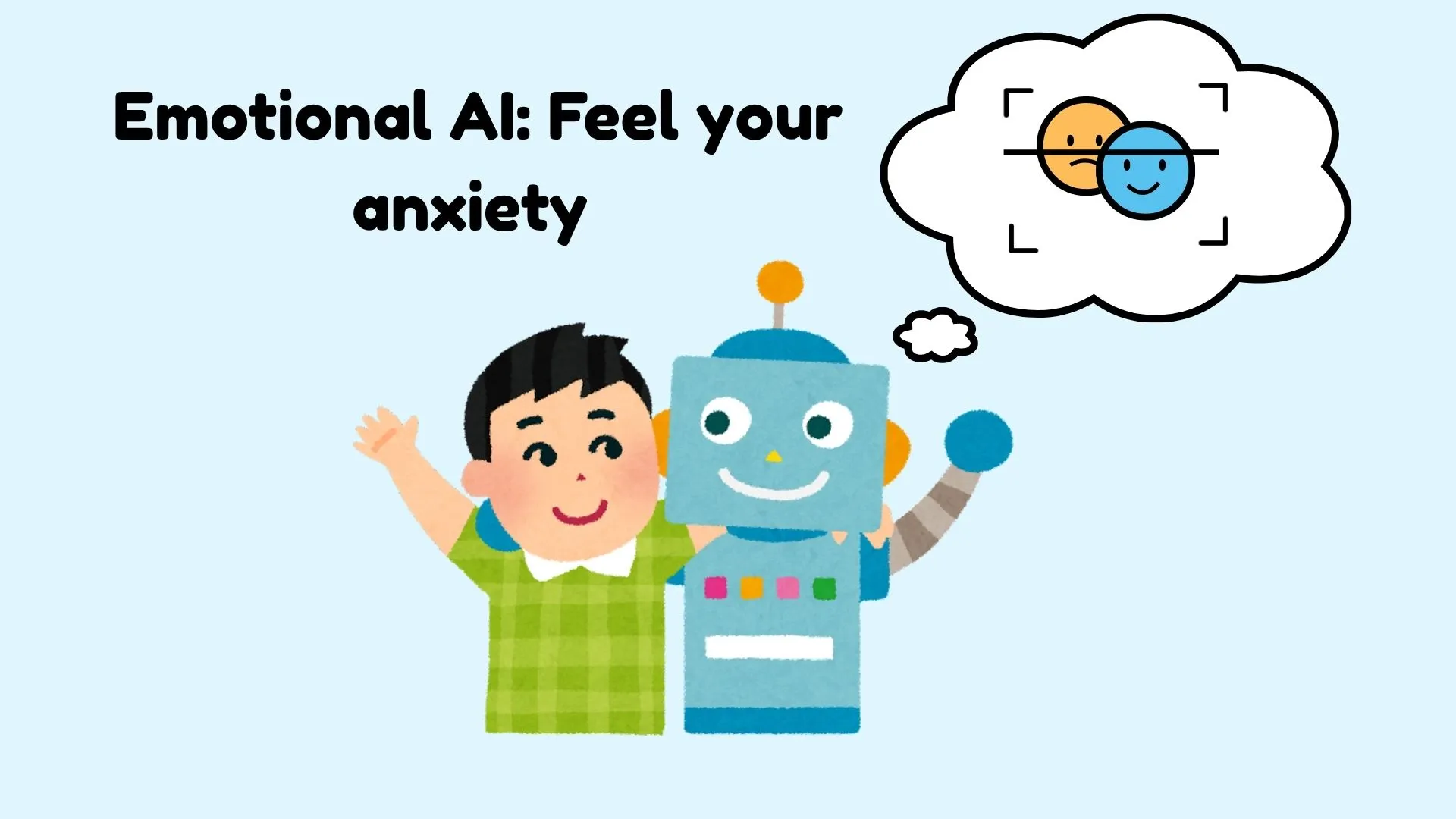
Welcome to the world of Emotional AI. It’s where technology doesn’t just think. It’s learning to feel, just a little bit, like us.
So, What Is This "Emotional AI" Anyway?
In the simplest terms, Emotional AI (or "affective computing" if you want to sound like a scientist) is a branch of AI that is learning to recognize, interpret, and respond to human emotions.
This whole idea started with a dream. Dr. Rosalind Picard at MIT imagined a future where computers could understand how we feel and know how to help. What if your computer could tell you were frustrated and simplify the screen, instead of just throwing up another error message?
Previously, when you express all the emotion to AI and hope to release your stress, it always says some cold word to you. "It's fine, everything will become good sooner." It only knows to repeat such word once and once again, but it never understands you, or even give you a useful response. It just makes all the things even worst. Nah, you just want to throw it away. Shut up.
Today, that dream is becoming real. Using a mix of facial recognition, voice analysis, and just understanding the intent behind our words, this AI can start to tell if you’re happy, sad, stressed, or calm.
And once it understands? It can change how it responds to you.
It’s Not Sci-Fi, It’s Already Happening
This isn't some far-off "Black Mirror" idea; this magic is already being quietly sprinkled into our everyday lives.
Imagine this: You’re in bumper-to-bumper traffic, white-knuckling the steering wheel. Your car, sensing your rising frustration (maybe from your voice or even your grip), gently lowers the music and asks if you'd like to try a calmer, alternate route.
Or this: Your smart assistant hears you sigh while you ask for the time. Instead of just rattling off the numbers, it notices that little note of sadness in your voice and says, "It's 7:30 PM. By the way, I have that song you love ready to go. Want to hear it?"
Sounds nice, right? It’s like having tiny, empathetic friends inside our technology. It’s already showing up everywhere:
- In customer support: Some chatty bots can now tell if you’re getting annoyed and will switch to a kindlier, more helpful tone (or get you to a human, fast).
- In hospitals: Emotional AI can help doctors and nurses spot if a patient is feeling anxious or is in pain, even if they aren't saying it.
- In online learning: A smart tutor can see when a student is getting confused or bored and will step in to offer extra help or a different example.
The Bright Side... And the "Careful" Side
This is a superpower. And like any superpower, it has two sides.
The Bright Side (The Dream): This is the part that gives me goosebumps. Imagine a friendly robot companion that keeps grandma company when she’s lonely, not just talking at her, but listening and responding to her moods. Imagine an AI that can just listen patiently, without judgment. When you’re feeling stressed and just need to vent.
The Careful Side (The Reality Check): Of course, if these little machines can read our feelings, we have to ask the big questions. Who else sees this information? How is it being used? We need to make sure this powerful tool is used to help and support us, not to manipulate us. We have to be sure we are the ones in control.
Why It All Matters
Emotional AI isn’t here to replace human-to-human connection. Nothing ever will.
It’s here to make our technology more... well, human. It’s here to help the machines we rely on every day become friendlier, more patient, and more supportive. It's here to help someone lonely to release their emotion. Someone afraid to talk with people, can speak with the emotional AI. It's here to listen you and never blame you. The more they understand us, the better they can guide, comfort, and even make us smile.
So, the next time your smartwatch tells you to take a deep breath, don't just see it as a notification.
Think of it as a tiny, magical friend, quietly learning to feel.