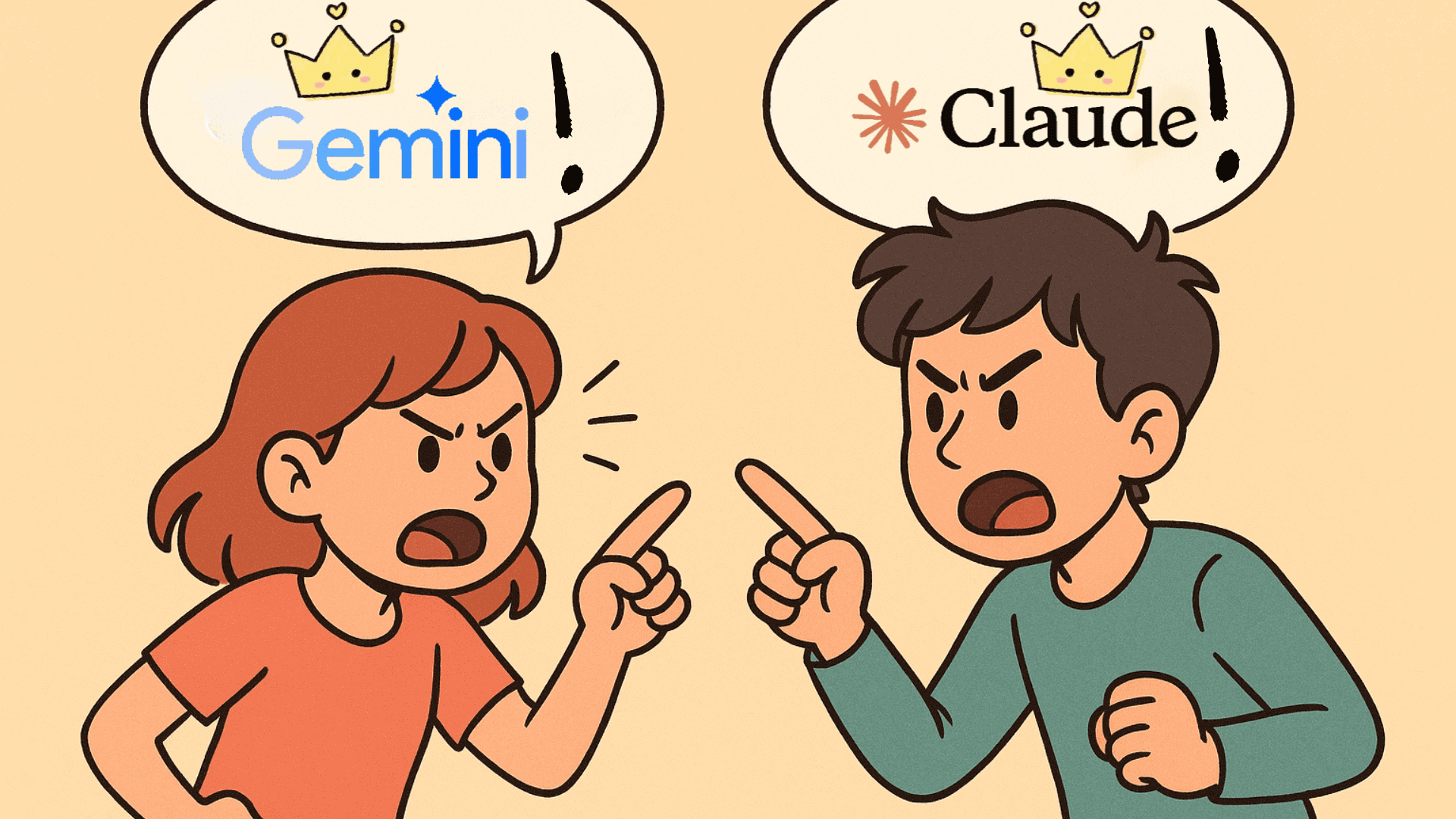
The AI landscape is evolving rapidly, and two of the most talked-about large language models today are Google Gemini and Anthropic Claude. Both are powerful, but they serve slightly different purposes and excel in different areas. In this blog post, we will compare Gemini vs Claude in terms of performance, features, and best use cases, helping you decide which one is the right choice for your project.
What is Google Gemini?
Google Gemini is Google’s latest generation of AI models, designed to combine reasoning, coding ability, and advanced multimodal features. It is built with deep integration into Google’s ecosystem, making it a natural fit for developers already using Google Cloud services. Gemini is positioned as a strong competitor to OpenAI’s GPT-4, with emphasis on efficiency and scale.
What is Claude?
Claude, developed by Anthropic, is designed with a strong emphasis on safety and alignment. Anthropic’s mission centers on creating AI systems that are helpful, honest, and harmless. Claude models are known for their longer context windows, making them ideal for processing large documents, legal texts, and research papers. Claude is popular among businesses looking for an AI assistant that balances power with reliability and ethical safeguards.
Key Differences Between Gemini and Claude
When comparing Gemini vs Claude, several key differences stand out:
- Capabilities: Gemini’s core strength lies in its advanced multimodal AI capabilities with deep integration into Google products.
- Ethics and Alignment: Claude emphasizes alignment and ethical design, prioritizing safe and harmless outputs.
- Context Length: Claude offers one of the longest context windows in the industry, allowing it to handle very large documents effectively.
- Target Use Cases: Gemini is better suited for coding, multimodal tasks, and developers using Google Cloud, while Claude is ideal for businesses that deal with compliance-heavy work, research, or large document analysis.
Best Use Cases for Gemini
Gemini is a strong choice if you are building next-generation applications that require text, code, or even image-related tasks. With Google’s infrastructure, it provides seamless integration for developers who already use Google Workspace and Cloud products.
Best Use Cases for Claude
Claude shines when handling sensitive data, legal cases, or enterprise workflows that demand reliability, safety, and longer context processing. Its design ensures outputs that are more cautious and aligned, which is especially valuable in compliance-heavy industries.
Which AI Model Should You Choose?
Ultimately, the decision between Gemini vs Claude comes down to your needs. If your focus is on advanced multimodal capabilities, scalability, and integration with Google’s ecosystem, Gemini is the better fit. If your priority is safety, transparency, and the ability to process very large documents, Claude is the safer bet. Many organizations may even benefit from using both models for different purposes, combining Gemini’s technical versatility with Claude’s ethical reliability.
The battle of Gemini vs Claude is not about which model is universally better—it’s about which one fits your goals best. By understanding their strengths and weaknesses, you can make the best choice for your projects and business objectives.